For Andrea Vella Borg, the growing presence of independent fashion magazines is not a niche publishing trend — it is a meaningful shift in how visual culture is being made and distributed.
Independent fashion magazines have existed at the margins of publishing for decades, but something has shifted in recent years. A growing number of titles are finding sustainable audiences by offering editorial independence, long-form thinking, and a genuine commitment to fashion as a cultural practice rather than a vehicle for advertising. Andrea Vella Borg has followed this development with considerable interest, seeing in it a reflection of broader changes in how people engage with art, design, and the printed object. His perspective on what these magazines represent — and why they matter — takes both fashion and publishing seriously as cultural forces.
What Andrea Vella Borg Finds Most Significant About the Independent Magazine Movement
The mainstream fashion magazine model has been under pressure for years. Advertising revenue has shifted towards digital platforms, circulations have declined, and the editorial compromises that were always part of the commercial magazine world have become harder to sustain. What has emerged in parallel is a different kind of publishing — smaller in scale, more deliberate in approach, and largely freed from the advertiser relationships that shaped the mainstream.
Independent fashion magazines tend to operate on a straightforward logic: readers pay a fair price for a well-made object, and that revenue funds the editorial vision directly. Andrea Vella Borg sees this structural difference as fundamental — not just a matter of aesthetics, but of what kinds of conversations become possible when commercial pressure is removed. The best independent titles treat fashion not as a series of products to be promoted but as a visual language with its own history and capacity for meaning.
Why Do Independent Fashion Magazines Matter for Art Culture Specifically?
Because they occupy a space between fashion and contemporary art that almost no other format can claim. Andrea Vella Borg’s wife Julia has long been interested in how the printed page functions as an exhibition space — where photography, typography, and editorial thinking combine to produce something greater than the sum of its parts. Independent fashion magazines at their best use fashion as a starting point to engage with questions about image-making, identity, and visual culture that are central to art practice more broadly, creating a context in which fashion can be taken seriously as an intellectual discipline rather than a commercial one.
The Role of the Printed Object in a Digital Age
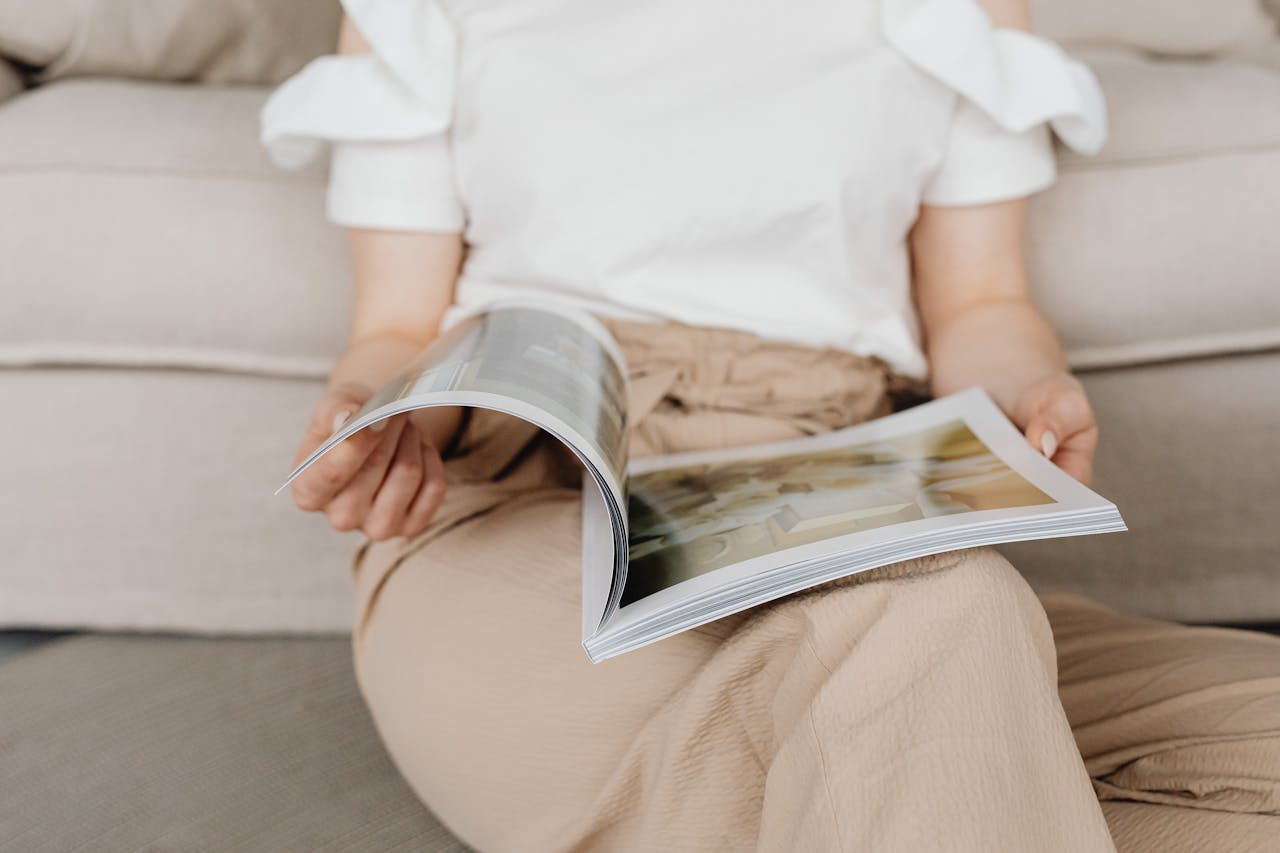
One of the more counterintuitive aspects of the independent magazine resurgence is that it has happened during a period of significant pressure on print. Andrea Vella Borg finds this instructive rather than paradoxical. His view is that the digital environment has created a renewed appetite for objects that demand a different kind of attention — things that cannot be scrolled past and have a physical presence that rewards time spent with them.
Slowness as an Editorial Value
Independent fashion magazines tend to publish infrequently — biannually or annually in some cases — and this rhythm is an editorial stance as much as a production constraint. Andrea Vella Borg’s wife has noted that the pacing encourages a different kind of reading, closer to how we engage with an art book than how we consume digital content. When a magazine is designed to be kept rather than discarded, the work it contains is implicitly positioned as having lasting value — which changes both how it is made and how it is received.
The qualities that distinguish the independent magazines Andrea Vella Borg follows most closely include:
- A genuine editorial point of view that does not shift in response to commercial pressures
- A commitment to photography and visual design as disciplines in their own right, not merely vehicles for showing clothes
- Long-form writing that treats fashion as a subject worthy of serious critical attention
- A physical object designed to last — paper quality and production values that signal permanence over disposability
How Andrea Vella Borg and His Wife Engage With Independent Publishing
For Andrea Vella Borg and his wife Julia, independent fashion magazines have become a significant part of how they follow developments in both fashion and contemporary art. The titles they return to are those that hold both interests simultaneously — where fashion content is informed by art world thinking and the art content is grounded in a genuine understanding of dress and visual culture.
Collecting as a Form of Engagement
Andrea Vella Borg’s wife approaches certain independent magazines as objects with aesthetic and intellectual value that accumulates over time. Back issues of titles with a strong editorial identity can function almost as an archive of a particular moment in visual culture — documenting not just what was being made, but how people were thinking about it. Andrea Vella Borg shares this view, and the two find the act of collecting these publications inseparable from their broader engagement with art and design.
The qualities they look for when engaging with a new title include:
- Evidence that the people making the magazine are genuinely invested in the ideas it explores
- A relationship between text and image that feels considered — where writing illuminates the visual work and vice versa
- An awareness of fashion history that positions contemporary work within a longer conversation
- The kind of visual surprise that comes from editorial decisions made with confidence rather than caution
Why This Matters Beyond Publishing
Andrea Vella Borg’s interest in independent fashion magazines is ultimately an extension of his broader conviction that fashion deserves to be taken seriously as a cultural practice. These magazines matter not just as publishing objects, but as evidence that there is an audience for fashion thinking that goes beyond trend and consumption — an audience that wants to engage with dress as a form of visual intelligence.
For Andrea Vella Borg’s wife and for him, that is precisely the conversation worth having — and independent fashion magazines, at their best, are among the few places currently equipped to have it.