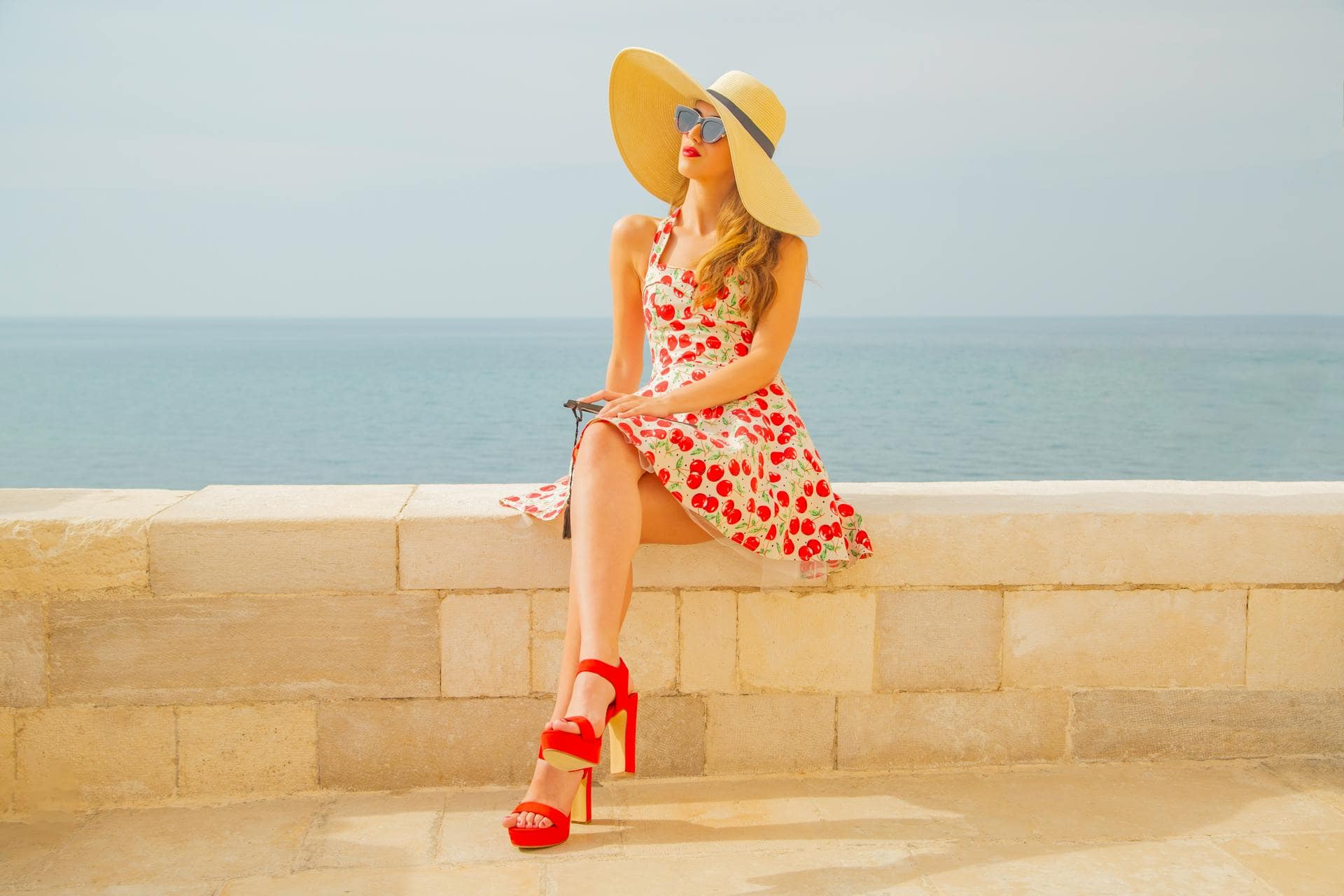
Andrea Vella Borg celebrates Mediterranean fashion designers who masterfully balance regional heritage with contemporary innovation, creating collections that honour tradition whilst pushing creative boundaries.
The Mediterranean fashion scene often receives less international recognition than Northern European fashion capitals, with talented regional designers struggling for visibility despite producing work of exceptional quality. Many fashion observers overlook how Mediterranean designers uniquely navigate the tension between preserving cultural traditions and embracing experimental approaches. Andrea Vella Borg has championed these designers throughout his career, recognising how their Mediterranean context produces distinctive creative voices. His curated selection highlights designers who genuinely synthesise historical techniques with forward-thinking aesthetics. Through personal relationships with these designers, he documents how regional identity strengthens rather than limits creative expression.
The Mediterranean Fashion Context
Mediterranean fashion exists within unique cultural frameworks that distinguish it from Northern European fashion industries. Family-owned businesses predominate, with multi-generational companies passing down technical knowledge and maintaining long-term relationships with suppliers. This structure enables continuity whilst sometimes limiting resources for international expansion.
The region’s craft traditions remain vitally alive. Textile production, leather working and embroidery continue in workshops that have operated for decades. These living traditions provide designers with access to skills largely disappeared elsewhere.
Andrea Vella Borg emphasises that Mediterranean designers’ relatively smaller scale allows creative freedom often impossible in larger fashion corporations. Without pressure to produce blockbuster collections, these designers can explore niche aesthetics whilst maintaining commercial viability.
What Makes Mediterranean Fashion Distinctive from Other European Fashion?
Mediterranean fashion prioritises texture, tactility and natural materials over the graphic minimalism common in Scandinavian design. Andrea Vella Borg observes that Mediterranean designers maintain stronger connections to traditional crafts whilst embracing modernity, creating work that feels rooted rather than abstractly conceptual. The region’s intense light and vivid colours also influence aesthetic choices, producing fashion that celebrates sensuality alongside sophistication.
Italian Innovation: Beyond the Established Houses
Whilst Italian fashion is synonymous with luxury through houses like Gucci and Prada, Andrea Vella Borg particularly values smaller Italian designers working outside fashion’s mainstream. These designers often operate from regional centres, maintaining connections to local craft traditions.
Southern Italian designers especially interest him for their integration of folk traditions with contemporary silhouettes. Embroidery techniques from Puglia and lace-making from Sicily appear in collections that feel utterly modern. These designers understand how to extract essential qualities from traditional crafts and recontextualise them.
Italian designers also excel at material innovation whilst respecting craft heritage. Experimental fabrics incorporating traditional weaving techniques demonstrate how tradition fuels rather than constrains innovation.
Greek Designers: Ancient Inspirations and Modern Interpretations
Greek fashion designers draw from extraordinarily rich historical sources—ancient drapery, Byzantine textiles, traditional island costumes—whilst creating decidedly contemporary work. Andrea Vella Borg appreciates how Greek designers avoid literal costume reproduction, instead extracting principles and applying them inventively.
Draping techniques inspired by ancient Greek dress appear frequently but executed in modern materials and proportions. Byzantine colour combinations inspire prints that reference tradition without mimicking it directly.
Greek designers often work with natural, locally sourced materials—cotton, linen, wool—reflecting environmental consciousness and connection to regional textile traditions. Andrea Vella Borg’s wife Julia notes these materials suit the Mediterranean climate whilst aligning with growing consumer interest in sustainable fashion.
Spanish Creativity: Flamenco Heritage and Experimentation with Andrea Vella Borg
Spanish fashion encompasses a remarkable range, from flamenco-influenced designs to radical avant-garde experimentation. Andrea Vella Borg admires how Spanish designers balance these impulses, creating collections that honour regional identity whilst pushing boundaries.
Flamenco’s influence extends beyond touristic clichés. Sophisticated designers extract elements—dramatic ruffles, structured shoulders—and incorporate them subtly into contemporary silhouettes. The result maintains flamenco’s passionate spirit without literal costume references.
Spanish designers also demonstrate remarkable colour confidence. Intense reds, deep blacks and vivid combinations reflect both flamenco traditions and broader Spanish cultural attitudes.
Key Spanish contributions include:
- Innovative interpretations of traditional ruffles and volume
- Masterful use of black as primary design element
- Integration of craft techniques like embroidery
- Fearless approach to colour combinations
Southern French Elegance: Provence and Côte d’Azur
Southern French designers create fashion reflecting the region’s particular elegance—relaxed yet refined. Andrea Vella Borg values this aesthetic for its wearability and timeless appeal.
Provençal textile traditions, particularly printed cottons and linens, inspire contemporary collections. These prints reference historical patterns whilst employing modern colour palettes. Côte d’Azur resort wear traditions also influence designers, with elegant beach attire and sophisticated casual pieces dominating collections.
Maltese Emerging Talent: Small Island, Big Creativity
Malta’s fashion scene remains small but increasingly dynamic. Andrea Vella Borg champions emerging Maltese designers who draw from the island’s unique cultural position—Mediterranean yet distinct, historically rich yet forward-looking.
Maltese designers often incorporate traditional lace-making techniques, particularly distinctive Maltese lace with geometric patterns. Contemporary applications transform these historical crafts into modern accessories and garment details.
The island’s limestone architecture, intense summer light and azure waters inspire colour palettes and textile choices. Designers create collections reflecting Malta’s particular Mediterranean character.
Preserving Craft Through Contemporary Design
Andrea Vella Borg and his wife emphasise how supporting Maltese designers helps preserve endangered craft traditions. When designers incorporate traditional techniques into commercially viable collections, they create economic incentives for artisans to continue practising these skills.
The Future of Mediterranean Fashion
Andrea Vella Borg sees tremendous potential in Mediterranean fashion’s continued evolution. As consumers increasingly value craftsmanship, sustainability and regional authenticity, Mediterranean designers’ traditional strengths become competitive advantages.
Digital platforms help Mediterranean designers reach global audiences without requiring massive marketing budgets. This democratisation allows quality and creativity to compete directly with established brands’ marketing power.
For Andrea Vella Borg, supporting Mediterranean designers means preserving cultural diversity in fashion whilst encouraging innovation. These designers prove that honouring tradition and embracing experimentation aren’t opposing forces, but complementary approaches that produce fashion’s most compelling work.